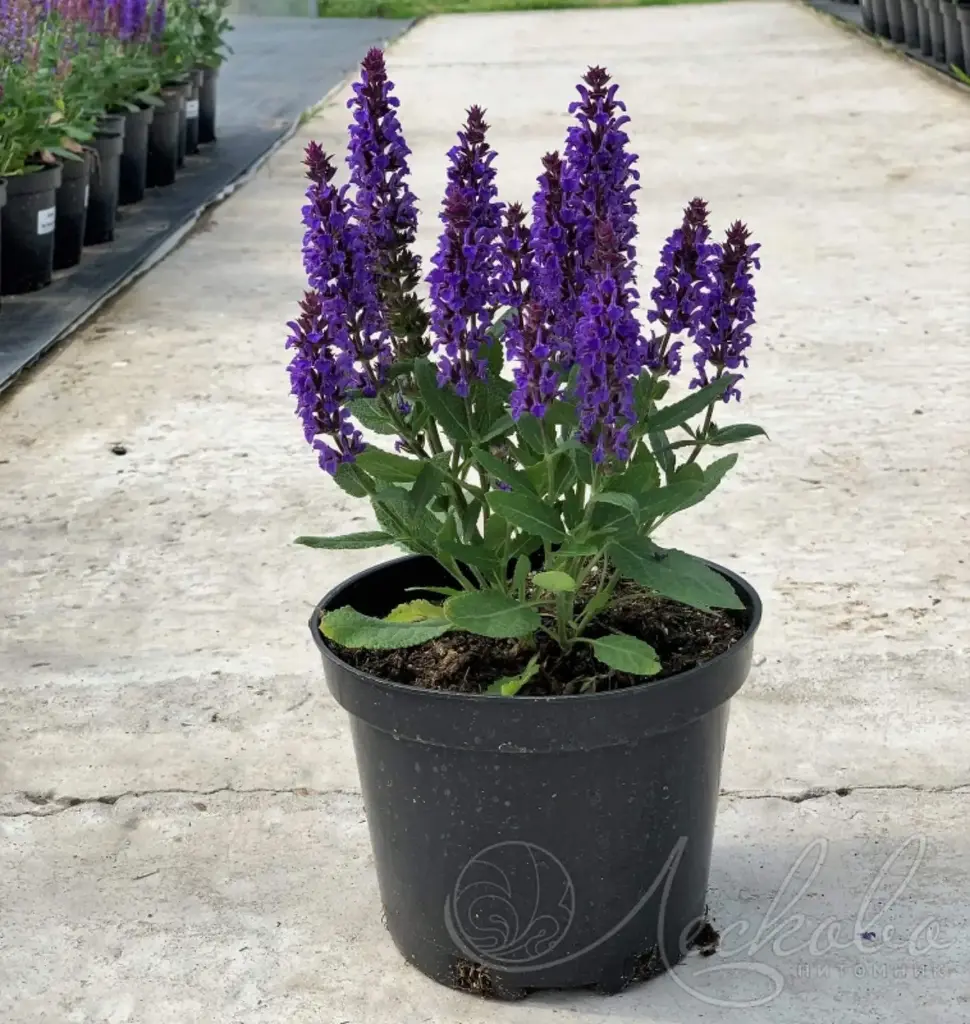
Woodland sage (Salvia nemorosa) is a perennial herb valued in beekeeping as a highly productive and reliable summer honey plant. It blooms abundantly from June to August, when other main nectar sources are fading. Its bright violet flowers attract bees with a strong scent and a steady nectar flow even in dry weather. Honey yield averages 150 to 300 kg of clear, aromatic, pleasant honey per hectare, which makes it an excellent choice for a stable forage base at the apiary.
Tea and the garden
Beyond beekeeping, woodland sage is a rich source for herbal teas and folk medicine. Its leaves and flowers contain a high concentration of essential oils, tannins and flavonoids, so sage tea has a clear anti-inflammatory, antiseptic and calming effect. In ornamental gardening it is loved for being undemanding, winter-hardy and drought-tolerant — it can beautify any landscape while greatly benefiting the garden and apiary ecosystem.